

Public libraries are constantly adapting to serve their communities better.
But how do you know if you're truly meeting people's needs or missing something important?
The best way is by asking the right public library survey questions. But it’s not just about gathering feedback, it’s about doing it effectively. In this post, we’ll share our SurveyStance 14 essential survey questions that will help your public library survey gather meaningful data, plus actionable best practices to design and distribute your survey like a pro.
Whether you want to assess patron satisfaction, understand why some people don’t visit or plan your next big program, these tips will set you on the path to success. Get ready to transform community feedback into actionable insights and take your library services to the next level! Below you’ll find the top proven public library survey questions organized by category.
Use the SurveyStance AI survey question checker to review public library survey questions for clarity, bias, answer choices, and respondent effort. These are real-world questions we’ve refined with libraries just like yours.
Top Public Library Survey Questions
Here’s a ready-to-use set of public library survey questions, grouped by topic. Feel free to mix and match depending on your goals.
General Library Use
How often do you visit the library?
Daily Weekly Monthly A few times a year Never / This is my first time What usually brings you to the library? (Choose one main reason) Borrowing books, movies, or other materials Using computers or free Wi-Fi Attending programs or events Finding a quiet place to read, study, or work Other (please tell us more)
Collection & Resources
Does the library have the materials you’re looking for most of the time?
Yes, usually Sometimes Not really (what’s missing?) How would you rate the library’s digital offerings (e-books, online databases, streaming, etc.)?
Excellent Good Fair Poor
Facilities & Accessibility
- How satisfied are you with the library’s space overall (comfort, cleanliness, seating, lighting, etc.)?
- Very satisfied Satisfied Neutral Dissatisfied Very dissatisfied Are the library’s hours convenient for your schedule?
- Yes No—what times would work better for you?
Staff & Services
How helpful is the library staff when you need assistance?
Excellent Good Fair Poor If you’ve asked staff for help recently, how was the experience? (Skip if not applicable) Excellent Good Fair Poor
Programs & Events
Have you attended any library programs or events in the past year?
Yes No What kinds of programs or events would you like to see more of? (Check all that apply) Storytime or kids’ activities Tech training or computer classes Book clubs or reading groups Author talks or live performances Other (please share ideas)
Technology
Are the library’s computers and internet services meeting your needs?
Yes No (what could be better?) How easy is it to find what you need in the library’s online catalog?
Very easy Easy Neutral Difficult Very difficult
Open-Ended Questions (great for richer insights)
What do you love most about your library?
What one change or improvement would make the biggest difference for you?
Pro tip: End with a quick demographics section (age range, zip code, etc.) if you want to spot trends across groups, but keep it optional so people don’t feel screened out.
More Public Library Survey Questions by Category
Here are more ideas for public library survey questions you can adapt: Measuring staff performance (helpfulness, checkout process, issue resolution) Gauging interest in a new program (e.g., “Teen Tech Hub” with 3D printing, coding, game design) Gathering feedback on a recent event (e.g., Summer Reading Program) Assessing satisfaction with a specific service (e.g., Library Wi-Fi speed and reliability) Evaluating resources (e-book collection, physical books, online databases) Understanding patron needs (desired hours, accessibility, program formats)
Best Practices for Creating and Sharing Your Library Survey
Creating effective public library survey questions is only half the battle — how you design and share the survey matters just as much. Start with clear goals Decide what you really want to learn before writing any questions.
Are you checking overall satisfaction, reaching non-users, or testing new ideas?
Clear goals keep everything focused. Know who you’re asking Try to hear from both regular visitors and people who rarely or never come in. Both perspectives are valuable.
Keep it short and friendly Aim for a survey people can finish in 3–5 minutes. Use mostly multiple-choice questions with 1–2 open-ended ones. Pick the right ways to share it In the library: Paper forms or a quick station near the exit Online: Email lists, social media, website In the community: Partner with schools, coffee shops, or senior centers Get the word out Promote it like an event — newsletter mentions, social posts, friendly signs.
A small incentive (like a book raffle) can really boost participation. Close the loop After you collect responses, share a summary with staff and the community. Tell people what you learned and what changes you plan to make.
This builds trust and shows their feedback matters. Why These Surveys Make a Real Difference Good feedback helps libraries stay relevant and responsive in a world that’s changing fast. It lets you strengthen collections and programs, make smarter budget choices, and build deeper connections with the people you serve.
Beyond day-to-day improvements, survey results are powerful when it’s time to advocate for funding or support. Concrete numbers and real patron stories show decision-makers exactly why the library matters—whether it’s helping people find jobs, supporting student learning, or simply being a welcoming community space.
Quick advocacy tips: Pull out standout stats (e.g., “78% of patrons use our Wi-Fi for job searches or homework”).
Add a few anonymous quotes from happy (or frustrated) patrons. Turn data into simple charts or infographics. Tailor your message to the audience—city council cares about impact and return on investment; donors love personal stories.
Increasing Survey Response Rates with Feedback Kiosks
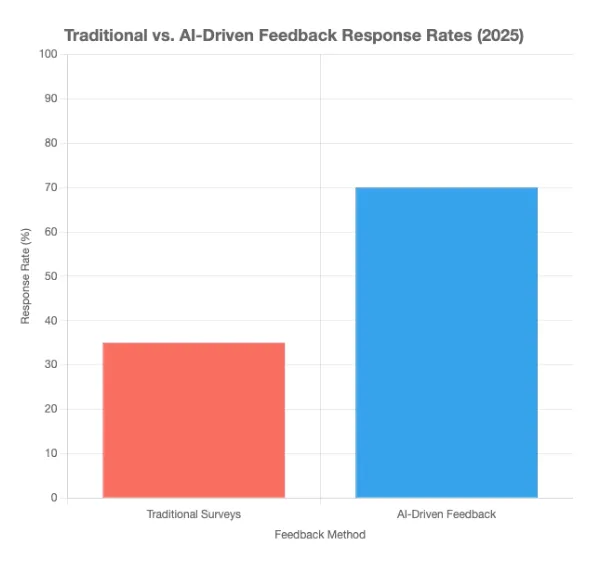
Boosting Response Rates with Feedback Kiosks Getting people to actually fill out surveys can be tough. That’s why more libraries are using simple, on-site feedback kiosks. They’re quick, inviting, and placed right where patrons are already spending time.
With touch-friendly options like smiley-face ratings or short prompts, kiosks pair especially well with your public library survey questions because they feel so effortless instead of like homework. You get real-time responses, higher participation, and insights from a wider range of people including kids and seniors who might skip a long online form. Benefits of Using Feedback Kiosks in Public Libraries:
- Increased Participation: Kiosks are quick and easy to use, leading to higher response rates than traditional paper or online surveys.
- Real-Time Feedback: Responses are captured instantly, allowing library staff to address concerns or celebrate successes in real-time.
- Engaging Experience: The interactive nature of kiosks makes providing feedback feel more like a conversation, fostering greater engagement.
- Accessible to All Ages: Whether it’s a child rating their experience at storytime or a senior sharing thoughts on resources, kiosks are designed for accessibility and ease of use. By incorporating feedback kiosks into your library’s feedback strategy, you can capture a more comprehensive picture of patron satisfaction, helping you fine-tune services and advocate for your library’s value with solid data.
Library Surveys as an Advocacy Tool
Well-designed public library survey questions don’t just improve service they also become powerful advocacy tools. When you need to request more funding or support, clear data and patron stories make your case much stronger. For example, if results show many patrons rely on library internet for job applications or schoolwork, that becomes compelling evidence of your value.
The same goes for popular programs or unmet needs. Tips for using survey results in advocacy: Speak directly to your audience’s priorities Highlight metrics that align with your goals Include powerful patron testimonials Use visuals (charts, infographics) Tips for Using Survey Results in Advocacy: Highlight Key Metrics: Focus on data that aligns with your funding goals, such as high demand for specific services or the library’s role in bridging the digital divide.
Include Testimonials: Incorporate quotes from patrons about how the library has positively impacted their lives.
Visualize the Data: Use charts, graphs, or infographics to make your case visually engaging and easy to understand.
Tailor Your Message: Frame the results in a way that resonates with your audience, whether it’s a city council, potential donors, or community members.
By using survey results strategically, libraries can not only secure the funding they need but also strengthen their position as vital community hubs.
Additional Resources
Want instant feedback on your survey questions?
Click the button below to copy/paste your library survey questions into our free SurveyStance AI-Powered Survey Question Effectiveness Tool and get a score plus specific improvement suggestions. SurveyStance AI Survey Question Checker Additional guide from Library Research Service (LRS) on implementing a public library survey https://www.lrs.org/data-tools/public-libraries/the-who-what-where-and-why-of-public-library-surveys/
EMPLOYEE FEEDBACK
Build a faster feedback loop for every team.
Use kiosk, QR code, and OneClick surveys to capture employee sentiment while the experience is still fresh.

Check out these Top Employee Meeting Feedback Survey Questions and how to use employee feedback to improve meeting effectiveness. Plus 3 to NEVER ask!

Struggling with boring employee surveys? Discover 25 fun employee satisfaction survey questions that spark honest feedback — plus tips to implement today.
Discover AI employee feedback surveys for real-time insights in 2026. Boost employee engagement with tools like SurveyStance.