
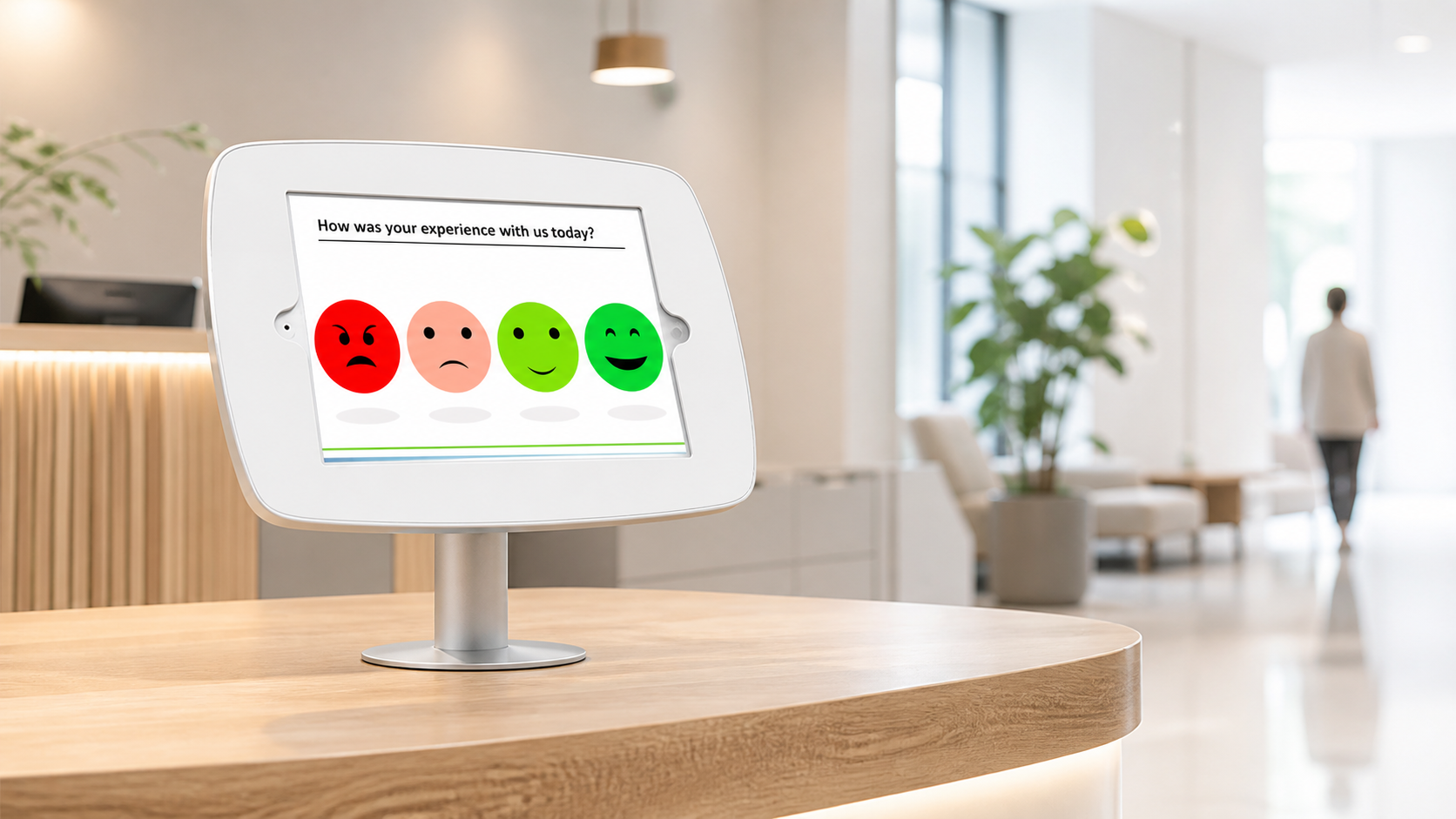
If you search “voice of customer software” today, you’ll get roughly the same ten logos in a different order, pulled from comparison pages that read like the vendors wrote them — because most of them did. This list works differently. Every claim about what a platform is good at, bad at, or currently confused about comes from actual buyer reviews on G2 and Capterra, cross-checked against what’s changed in the category this year.
And 2026 has genuinely been one of the most disruptive years this space has seen: InMoment merged into Press Ganey Forsta, Qualtrics then completed its own $6.75 billion acquisition of that combined company, Medallia changed ownership entirely, and Delighted — a name that’s been on nearly every “best VoC tools” list since 2018 — is shutting down by June 30, 2026. A list that doesn’t account for any of that isn’t really a 2026 list.
In this article
The category had a rough year, and most “best of” lists haven’t caught up
None of that churn changes what any of these platforms actually do well day to day. But it changes how much weight you should put on rankings and “best VoC tools 2026” roundups that were clearly written in 2024 and republished with the year swapped out in the title. A few of the names below are mid-acquisition right now.
One of them won’t exist by the middle of this year. That’s worth knowing before you spend two weeks in a sales cycle with any of them.
“Voice of customer” means something different depending on who’s buying
Ask ten people what “voice of customer software” means and you’ll get at least three different answers. To an enterprise CX group, it means an omnichannel listening platform that pulls in support tickets, social mentions, and survey data, and lets an analyst run text mining across all of it. To an operations manager running feedback for a restaurant chain or a network of urgent care clinics, it usually means something narrower and more urgent: a way to know, within minutes, that something went wrong at a specific location — before the customer posts about it instead of telling you.
Most “top 10 voice of customer platforms” content answers the first definition and quietly assumes it also answers the second. It doesn’t. A platform built to unify five channels of enterprise feedback for a Fortune 500 CX group is not the platform a 40-location dental group should be evaluating, and the reverse is just as true.
This list is organized so you can tell which definition each tool is actually built for, including where SurveyStance fits and where it deliberately doesn’t.
How this list was built
Three rules shaped this list:
- Every stated weakness had to show up in independent reviews on G2 or Capterra written by actual users, not on a competitor’s comparison page.
- Pricing signals came from what reviewers said they paid or were quoted, not vendor list prices, since most of these platforms don’t publish pricing publicly at all.
- Category churn counted. A platform mid-acquisition, or with an announced shutdown date, gets flagged as exactly that, even when its feature set still looks fine on paper. That’s also why this list is shorter on “revolutionary AI-powered” language than most. Reviewers are more useful than marketing copy, and reviewers are rarely that impressed.
The 10 voice of customer platforms
| Platform | Best for | Pricing signal | Main limitation |
|---|---|---|---|
| SurveyStance | Multi-location retail, restaurant, and clinic operations | Published, from $39/mo | No social or contact-center listening |
| Qualtrics XM | Large enterprises with a dedicated CX team | Custom enterprise quote | Steep learning curve, upsell-heavy |
| Medallia | Enterprise CX with multi-year budget | Custom enterprise quote | Complex setup, needs specialized admin |
| InMoment | Enterprise open-text analytics | Custom enterprise quote | Mid-acquisition (now part of Forsta) |
| CustomerGauge | B2B NPS and churn-risk programs | Custom enterprise quote | Heavily NPS-centric |
| Zonka Feedback | Mid-market kiosk and QR programs | Paid plans, mid-hundreds/mo | Offline kiosk device limits |
| SurveyMonkey Enterprise | Teams that want a familiar survey tool | $39–$139/mo published tiers | Thin native CX alerting |
| Alchemer | Custom survey logic, per-seat pricing | Per-seat, 3-user self-serve cap | Longer onboarding |
| Verint Voice of the Customer | Contact center-heavy orgs already on Verint | Custom enterprise quote | Weak as a standalone purchase |
| Delighted | Nobody — shutting down | N/A | Shutting down June 30, 2026 |
Ranked by who should actually start their evaluation here, not by an aggregate star rating that treats a 40-person clinic group and a Fortune 100 retailer as the same buyer.
1. SurveyStance
Best for multi-location retail, restaurant, clinic, and service businesses that need to know what happened at a specific location within minutes, not next quarter, and want the response to happen automatically. SurveyStance isn’t trying to be an enterprise omnichannel VoC suite that ingests social media chatter and contact center call transcripts, and it doesn’t stretch the term to pretend otherwise. What it is built to do, start to finish, is capture feedback at the moment an experience actually happens through iPad kiosks, QR codes, email signature surveys, and one-click ratings, then act on it without a person in the loop.
AI-generated summaries and open-text theme detection surface what customers are actually saying without anyone reading every comment by hand. Configurable alert logic, including score-swing thresholds, repeated negative responses, low-score spikes, and offline kiosk devices, decides who gets notified and when. A REST API, webhooks, and native Salesforce, Freshdesk, and Zapier integrations push that feedback straight into the systems an organization already runs on.
That’s a genuinely different job than what Qualtrics or Medallia are built for, and for organizations whose real problem is feedback arriving too late, going unread, or sitting disconnected from the rest of the stack, it’s usually the more complete answer, not just the faster one.
Where it isn’t the right fit: organizations whose feedback sources start with social listening or contact center transcripts rather than direct customer touchpoints, since that specific channel type isn’t what SurveyStance ingests.
Everything downstream of collection, including analysis, alerting, and integration, is built to genuine depth; it’s the intake channels that stay intentionally focused. See how SurveyStance’s kiosk, QR code, and OneClick feedback tools compare, or request a walkthrough for your specific locations.
2. Qualtrics XM
Best for large enterprises that already have, or are willing to build, a dedicated CX or research group to run the platform. Qualtrics is still the name most CX leaders default to first, and the platform’s depth is real: advanced analytics, extensive integrations, and enough configurability to model almost any research design. It’s also the platform G2 and Capterra reviewers most consistently describe as expensive and hard to learn.
Reviewers regularly point to a steep learning curve tied to the sheer breadth of features and configuration options, thin built-in tutorials, and pricing that gets used as leverage for add-on upsells during renewal conversations. One theme comes up often enough to be worth stating plainly: you get what you pay for, but you do pay for it. Skip Qualtrics if you don’t have people whose job is specifically to run and maintain the platform — a lot of Qualtrics deployments stall out because nobody owns them full-time.
3. Medallia
Best for enterprise CX programs with dedicated technical resources and multi-year budget commitments. Medallia’s core strength hasn’t really changed: it’s built for large, complex organizations that need real-time insight across many touchpoints, and it generally delivers that. What has changed is who owns it.
Medallia has been through a full change of ownership, on top of a G2 review pattern that’s held steady for years — configuration and customization routinely require specialized expertise, several reviewers describe the setup as anything but self-service, and pricing has been known to auto-renew with built-in increases that catch customers off guard. None of that makes Medallia a bad platform. It makes it a platform that needs a real budget line and a real owner, not a side project for whoever happens to run CX part-time.
Skip Medallia if your organization doesn’t have the internal capacity to own an implementation that reviewers describe as needing specialized configuration work just to make routine changes.
4. InMoment
Best for enterprise organizations that specifically need text analytics across a large volume of open-ended feedback. InMoment’s underlying strength, turning messy open-text feedback into structured themes, is well regarded in reviews, sitting around 4.1 stars across 200-plus ratings on G2. The catch right now is timing.
InMoment merged into Press Ganey Forsta, which Qualtrics has since acquired outright. Reviewers who cite InMoment as a reason to look elsewhere point to long onboarding, heavy reliance on InMoment’s own services group for configuration, and custom reports that need support intervention rather than self-service editing, and that was before the acquisition news. Buying into a platform mid-acquisition means buying into whatever roadmap the new owner decides on, which as of this year is genuinely unknown.
Skip InMoment if you’d rather not sign a multi-year contract with a platform that’s currently changing owners for the second time in two years.
5. CustomerGauge
Best for B2B companies running an NPS-centered account health and churn-prevention program. CustomerGauge does one thing especially well: tying NPS responses to account-level revenue and churn risk, with automated closed-loop follow-up when a score signals trouble. Reviewers consistently call it easy to get running for that specific use case.
The tradeoff shows up the moment you want to go beyond NPS — the platform is heavily NPS-centric, with less flexibility for organizations that also want CSAT, CES, or feedback collected across several different touchpoint types in one system. Reporting is detailed but reviewers note it can take a few extra clicks to get to what you actually need, and enterprise-tier pricing puts it out of reach for smaller, fast-moving organizations.
Skip CustomerGauge if NPS isn’t your organizing metric — this platform is built around it, not alongside it.
6. Zonka Feedback
Best for mid-market organizations that want kiosk, QR, and digital survey channels in one system without enterprise pricing. Zonka is the closest thing on this list to a direct SurveyStance alternative. It covers kiosk mode, QR codes, SMS, and email in a single platform, and its offline-capable kiosk mode, which queues responses locally and syncs once a connection returns, is a genuinely useful detail for locations with spotty wifi.
Reviewers are broadly positive on the breadth of channels for the price point. The main constraint that shows up in practice is a device limit on offline kiosk mode, which matters if you’re running feedback across a large number of physical locations rather than a handful. We compared the two directly if you want the full side-by-side.
Skip Zonka if you’re weighing offline kiosk reliability across a large multi-location footprint — check current device limits carefully before signing.
7. SurveyMonkey Enterprise
Best for organizations that want an easy, familiar tool and are willing to build CX-specific workflows themselves. SurveyMonkey’s biggest advantage is one nobody has to be convinced of: almost everyone in your organization has already used it. Reviewers consistently rate it highest for ease of use and support responsiveness among the platforms on this list.
The tradeoff is depth — deeper analytics, skip logic, and export options sit behind higher-priced tiers, true white-label branding is enterprise-only, and CRM integrations can feel clunky once you’re trying to build a real closed-loop VoC workflow instead of a one-off survey. It’s a strong survey tool wearing a voice of customer platform’s marketing copy. Skip SurveyMonkey if you need native, real-time alerting tied to specific locations or accounts — that’s not really what it’s built for.
8. Alchemer
Best for organizations that want tightly customized survey logic and a predictable, per-seat pricing model. Alchemer’s per-seat, one-fee pricing structure is genuinely popular with reviewers who’ve been burned by response-volume pricing elsewhere, and it holds a 4.4-star rating across nearly a thousand G2 reviews.
The friction shows up in onboarding: setup takes longer than most buyers expect, advanced settings are buried in menus that aren’t always obvious, and the self-serve plan’s 3-user cap pushes most mid-market organizations into custom-quoted territory anyway, which is where the real cost tends to live.
Skip Alchemer if your organization needs to be self-sufficient from week one — budget real ramp-up time here.
9. Verint Voice of the Customer
Best for contact center-heavy organizations that already run other Verint products. Verint’s VoC offering makes the most sense as an add-on to its broader workforce and contact center suite, not as a standalone purchase. That’s also its main limitation for anyone evaluating it on its own: reviewers across Verint’s product line describe reporting as more complex than expected and customization as something that needs to be routed through multiple parts of the platform to get right.
If your contact center already runs on Verint, the VoC module is worth a look. If it doesn’t, this is one of the harder platforms on this list to justify buying in isolation. Skip Verint if it isn’t already part of your contact center stack — the value here is mostly in the integration, not the module by itself.
10. Delighted
Best for nobody, as of this year, and that’s the point of including it. Delighted has been a fixture on “best VoC tools” lists since 2018: simple NPS, CSAT, and CES surveys, minimal setup, a product mid-market organizations genuinely liked. Qualtrics acquired it in 2018, stopped active feature development, and announced it’s shutting the product down by June 30, 2026 — dashboards go dark, active surveys stop collecting, and historical data is deleted after that date unless it’s exported first.
Qualtrics is steering existing Delighted customers toward its own XM Suite, which is a much heavier enterprise platform than what those customers originally signed up for. If you’re on Delighted today, the priority isn’t picking its replacement from a listicle, it’s exporting your historical feedback data before the deadline. Skip Delighted entirely if you’re starting fresh.
If you’re an existing customer, treat the shutdown date as the deadline that matters more than any feature comparison.
A faster way to shortlist
If you’re short on time, four situations cover most buyers on this list:
- Feedback needs to reach a manager the same day it happens, at a physical location: start with SurveyStance.
- You have a dedicated CX or research group and a six-figure-plus budget: start with Qualtrics or Medallia.
- Your feedback program is organized around NPS and account-level churn risk: start with CustomerGauge.
- You want kiosk and QR channels with lighter pricing than the enterprise names: start with Zonka Feedback or SurveyStance, and compare the two directly.
What actually separates these platforms once you dig in
One pattern showed up almost every time we compared vendor marketing pages to actual reviews: the marketing page describes what the platform can theoretically do, and the reviews describe what it takes to get it actually working. Vendor pages rarely mention onboarding time, who has to own the configuration, or what happens to your data if the company changes ownership or gets acquired mid-contract, which happened to three names on this list in the same twelve-month period.
So instead of ease of use, pricing, and integrations, the more useful questions are these.
- Who inside your organization will own configuration once the sales rep is gone, and do they have the specialized expertise reviewers keep mentioning as a requirement, or the bandwidth to build it?
- What happens if this vendor gets acquired, or sunsets a product, the way three of the ten platforms above have in some form this year?
- Can you actually see results, like a manager acting on an alert or a churn-risk account getting a follow-up call, within days, or does “real-time” in the sales deck actually mean a weekly export?
Answer those three honestly and most of the list above sorts itself.
What is voice of customer (VoC) software?
Voice of customer software is any platform built to systematically capture, organize, and act on customer feedback, including surveys, ratings, open-text comments, and sometimes support tickets or social mentions, so a business can spot patterns and respond faster than reading feedback one message at a time would allow. The category ranges from broad enterprise listening platforms like Qualtrics and Medallia to narrower, real-time tools like SurveyStance that focus on feedback captured at the moment an experience happens.
What’s the difference between VoC software and a survey tool?
A plain survey tool sends questions and collects answers. Voice of customer software adds the layer around that: routing responses into alerts, tying scores to specific locations or accounts, tracking sentiment over time, and closing the loop with a follow-up action. SurveyMonkey and Alchemer are strong survey tools that some organizations stretch into a VoC workflow; CustomerGauge and Medallia are built around that closed-loop workflow from the start.
How much does voice of customer software cost?
It varies more than most vendor pricing pages suggest, since most of the enterprise names on this list don’t publish pricing at all. Reviewer-reported figures put SurveyMonkey’s paid tiers starting around $39 to $139 a month, Alchemer and Zonka Feedback in the low-to-mid hundreds monthly depending on volume, and Qualtrics, Medallia, InMoment, and Verint in custom-quoted enterprise territory that typically starts in the thousands per year and scales up from there.
SurveyStance publishes its pricing directly rather than requiring a sales call.
Is SurveyStance a full voice of customer platform?
Not in the enterprise, omnichannel-listening sense that Qualtrics or Medallia occupy, since it doesn’t ingest social media or contact center transcripts, and it isn’t positioned as one. But within the channels it does cover, kiosks, QR codes, email signatures, and one-click ratings, SurveyStance runs the full loop: open-text theme detection and AI summaries for analysis, configurable score-swing and threshold alerts for notification, and a REST API, webhooks, and native Salesforce, Freshdesk, and Zapier integrations for routing feedback into the rest of the stack.
For a multi-location retail, restaurant, or clinic group, that’s often a more complete answer to how to hear from customers faster than a broader enterprise suite would be.
What happened to Delighted?
Qualtrics, which acquired Delighted in 2018, announced it’s shutting the product down by June 30, 2026, as part of consolidating its portfolio around its own XM Suite. Existing customers need to export their historical feedback data before that date, since dashboards and active surveys stop working once the shutdown takes effect.
What should I evaluate before buying voice of customer software?
Beyond features and price, check who inside your organization will actually own configuration day to day, how the vendor’s roadmap has changed in the last two years since acquisitions and ownership changes affect three platforms on this list alone, and how fast feedback turns into a visible action, like a manager alert or a follow-up call, rather than just a dashboard update.
The bottom line
There’s no single best voice of customer software platform in 2026, and any list that hands you one probably skipped the part where it asks what you’re actually trying to fix. If the problem is enterprise-scale listening across channels, the top of this list still holds, with the caveat that three of those names are mid-transition and worth extra diligence right now. If the problem is simpler and more urgent, like feedback from a specific location or touchpoint reaching the right person the same day, that’s the gap SurveyStance is built to close.
Either way, read the reviews before the demo, not after.
FEEDBACK PROGRAMS
Turn this research into a live feedback program.
Compare kiosk, QR code, email signature, and OneClick feedback options built for faster response and real-time visibility.
Discover the best cafeteria feedback survey solutions to gather actionable employee feedback. Improve dining experiences with a modern feedback survey kiosk.
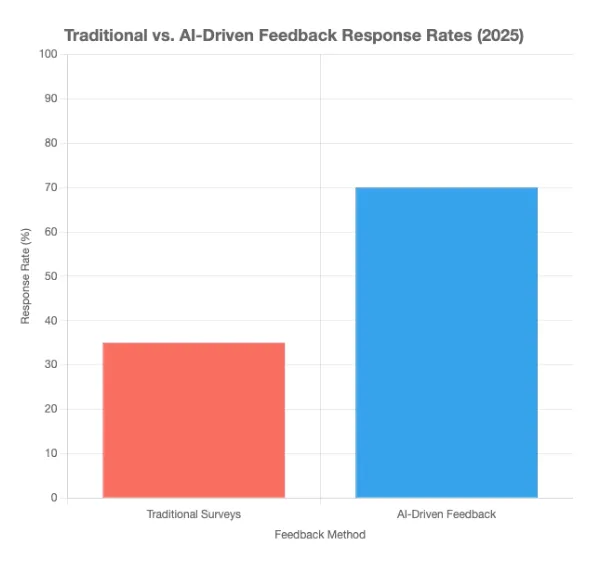
Discover AI employee feedback surveys for real-time insights in 2026. Boost employee engagement with tools like SurveyStance.

Automated customer experience tells you an interaction happened, not that it worked. Gartner found customers are 3x more likely to use ChatGPT than your chatbot.